How to Determine Your Home Affordability in Michigan

Fernando Orozco-Loza
Última actualización: 2025-09-11
Fernando Orozco-Loza
Última actualización: 2025-09-11
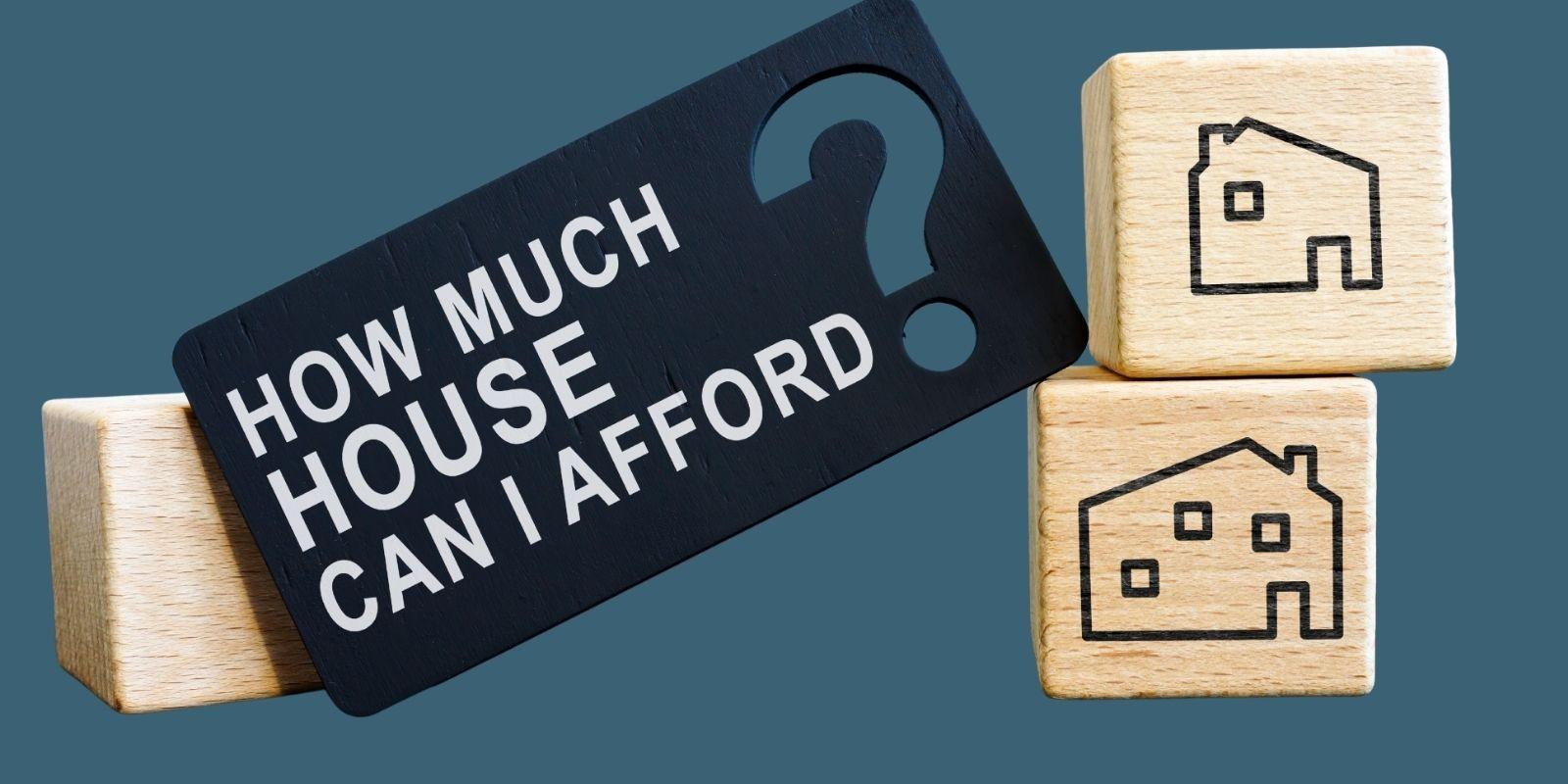
How much house you can afford in Michigan is a question many potential homeowners grapple with, especially in today’s fluctuating market. Understanding your budget is crucial for making informed decisions that align with your financial goals. This article will guide you through the key factors influencing your home-buying journey, share real-life case studies to illustrate various scenarios, and provide practical tips to help you navigate the complexities of homeownership in Michigan.
When embarking on the journey of homeownership, the first step is to understand how much house you can afford. This involves evaluating your income, expenses, and savings. A common rule of thumb is that your monthly mortgage payment should not exceed 28% of your gross monthly income. However, this is just a guideline; individual circumstances can vary significantly. To get a clearer picture, consider using online calculators that take into account your debt-to-income ratio (DTI), which is a critical factor lenders assess when determining how much they are willing to lend you. A lower DTI indicates that you have a good balance between debt and income, making you a more attractive candidate for a mortgage.
Several factors can influence how much house you can afford in Michigan. Let's explore these elements in more detail:
Your income plays a significant role in determining affordability. Lenders typically look for stable employment history and consistent income streams. If you're self-employed or have variable income, it may require additional documentation to prove your financial stability.
Your credit score directly impacts your mortgage interest rate. A higher score generally leads to better rates, which means lower monthly payments. If your score is below 620, it might be wise to work on improving it before applying for a mortgage.
The size of your down payment can significantly affect your affordability. While conventional loans often require at least 20% down to avoid private mortgage insurance (PMI), there are options available for first-time buyers that require as little as 3% down.
Michigan's real estate market can vary greatly from one region to another. Areas like Detroit may offer more affordable housing options compared to upscale neighborhoods in Ann Arbor or Grand Rapids. Researching local market trends will help you set realistic expectations.
To illustrate how these factors come into play, let’s look at three different individuals navigating their home-buying journey in Michigan.
Sarah is a recent college graduate earning $50,000 annually with minimal debt and a credit score of 720. She saved diligently and has $15,000 for a down payment. By calculating her DTI and using an online mortgage calculator, she discovered she could afford a home priced around $200,000 without stretching her budget too thin. With her strong credit score and savings, she secured a favorable interest rate of 3.5%, allowing her to purchase her dream condo in downtown Detroit.
Mark and Lisa are a couple with two children looking to upgrade from their starter home in suburban Michigan. Their combined income is $100,000, but they also carry student loans and credit card debt, resulting in a DTI of 36%. After consulting with a mortgage advisor, they learned they could afford a home up to $350,000 by focusing on paying down some debt first and increasing their down payment to avoid PMI.
Tom is an experienced investor looking to buy rental properties in Michigan. He has multiple streams of income but also significant debt from previous investments. His credit score sits at 650, which limits his financing options but doesn’t deter him from pursuing his goal. By leveraging cash reserves for larger down payments on properties priced under $250,000 in emerging neighborhoods, he manages to secure financing despite his DTI being slightly above the recommended limit.
Understanding how much house you can afford in Michigan requires careful consideration of various factors including income, credit score, local market conditions, and personal financial goals. Each individual's journey is unique; by taking the time to assess your situation thoroughly and seeking professional advice when needed, you can make informed decisions that lead to successful homeownership. If you're ready to take the next step toward buying your dream home or investment property in Michigan, I encourage you to reach out to Fernando Orozco-Loza today! With expert guidance tailored specifically for your needs, you'll feel confident navigating the housing market. Remember: don't hesitate to ask questions or seek assistance along the way—homeownership is an exciting journey worth every effort!
The average down payment varies but typically ranges from 3% for first-time buyers up to 20% for conventional loans.
A higher credit score usually results in lower interest rates on mortgages, which translates into lower monthly payments over time.
Yes! Many people successfully buy homes while managing student loans; however, it's important to calculate your DTI accurately.
Consider adjusting your budget by looking at less expensive areas or homes that need minor repairs. Alternatively, work on improving your financial standing before re-entering the market.
This depends on personal circumstances; however, with rising rents in many areas of Michigan, buying might be more financially beneficial long-term if you're ready for the commitment. By understanding these aspects and working closely with an expert like Fernando Orozco-Loza, you'll be well-equipped to make informed decisions about your future home!
Mi pasión es ayudar a las familias hispanas a tomar decisiones inteligentes en bienes raíces.
Creo que comprar o vender una casa no se trata solamente de firmar documentos.
Se trata de proteger el patrimonio que construiste con años de esfuerzo.
Por eso comparto información sencilla, clara y sin complicaciones para que tomes decisiones con confianza.
Maximizing Home Sales in a Low Interest Rate Market
Low interest rates create a unique opportunity for sellers in the real estate market. Increased buyer demand, higher home prices, and faster sales cycles empower homeowners to maximize their returns. Discover how to navigate this advantageous landscape today!
Pros and Cons of Living in a Lake House in Holland
Living in a lake house in Holland, Michigan, offers stunning views and outdoor activities but comes with maintenance costs and seasonal challenges. Explore the emotional and practical aspects of this lifestyle through real-life case studies and insights.
What are Fastest-Selling Homes in Grand Rapids, Michigan?
This article explores the fastest-selling home types in Grand Rapids, Michigan, highlighting popular styles like bungalows and modern townhomes. It discusses key neighborhoods, price ranges, and offers insights for buyers and sellers in this dynamic market.